Australia’s Cars Getting Older – Fleet Renewal Needed

The industry body representing new car Dealers has called on the Government to focus on renewing our vehicle fleet as new data shows the age of our fleet is falling further behind the rest of the world.

The ABS Motor Vehicle Census shows the average age of passenger vehicles has now reached double figures and is 10.1 years. The average age of light commercial vehicles also rose and now sits at 10.6 years.

“We need to work towards lowering the age of our cars and getting newer cars on our roads which are safer, cleaner and more efficient than the older cars they replace,” AADA CEO James Voortman said.

“This data shows that over the last five years both our passenger car and light commercial vehicle fleets have been getting older,” he said.

“Amid the pandemic, there is evidence that many people are nervous about using public transport and are considering purchasing a car. There is an opportunity for Government to help those people into a newer car and in the process support an industry which is struggling,” said Mr Voortman.

“The Government should design policies which assist in renewing the fleet. For example, the instant asset write off has helped, but can be made more effective. The scheme currently applies a limit of $57,581 on cars. There is no rationale for this limit and many businesses that may have taken advantage of this initiative have been left frustrated and confused,” he said.

“COVID-19 has also seen many consumers struggling to get credit as individuals utilising JobKeeper are being treated as high risk by credit providers and being denied credit. It is going to be difficult for this industry to recover if credit is frozen and there is an opportunity to provide a guarantee and exemption from responsible lending laws similar to that which has been provided to SMEs,” he said.

“Unfortunately governments, both federal and state have done very little to incentivise newer cars in recent years and taxes such as import tariffs, the luxury car tax and vehicle stamp duty have only inflated the prices of new cars,” said Mr Voortman.

“In other parts of the world governments are currently developing significant stimulus packages for their automotive industries in recognition of the sector’s economic importance, but also as a way of lowering the age of their vehicle fleets and achieving the associated benefits of a younger fleet,” he said.

Download Media Release

Dealers Welcome ACCC Intervention in GM Negotiations

The peak body representing new car Dealers has welcomed the ACCC’s intervention in General Motors’ negotiations with Australian car Dealers.

“There is a sense of relief among Holden Dealers and they are incredibly grateful that the ACCC pressured GM to extend the deadline for its compensation offer and to engage in good faith negotiations with Dealers,” AADA CEO James Voortman said.

“Dealers are already struggling with the worst trading conditions on record and were then given an end of May deadline by GM to accept an offer described by all of the Holden Dealers I have spoken to as unacceptable,” Mr Voortman said.

“General Motors’ treatment of the 185 Holden Dealers has been disappointing to say the least, but this represents an opportunity for them to sit down with the Dealer network and develop a fair and reasonable plan to compensate these Dealers,” he said.

“Many of these Dealers have represented Holden for decades, some for over 70 years. They have made significant investment in facilities, equipment, stock and training. They deserve reasonable compensation,” he said.

“The ACCC is well aware of power imbalance between dealers and offshore manufacturers which it revealed in its 2017 New Car Retail Market study,” he said.

“It’s not just the car companies pulling out of Australia who are a threat to local Dealers but the unfair terms that many of them face in their commercial arrangements are an ongoing problem, not just for the local Dealers but also for Australian consumers and small business who rely on them,” he said.

That is why AADA has been working with the Government on draft automotive franchising laws due to be finalised in the coming weeks. It is crucial that these laws are strengthened so that Dealers are given protections similar to those afforded to Dealers in countries like the US and the EU,” Mr Voortman said.

Download Media Release

Treatment of Holden Dealers Demonstrates Need for Regulation

The peak body representing new car Dealers strongly supports Senator James McGrath’s statement in the Senate calling out General Motors’ poor treatment of local Australian car Dealers.

“The COVID-19 crisis has overshadowed the actions of a multinational, Fortune 500 company virtually ending its more than a 100-year association with Australia and treating local Dealers very poorly in the process,” AADA CEO James Voortman said.

“After announcing it was terminating 185 Dealers across Australia, the compensation offered to those Dealers has been described as totally inadequate and not one Dealer has accepted the offer,” he said.

The behaviour of Holden, along with Honda more recently cutting their operations in Australia, again highlights the risks that many local car Dealers face and the imbalance that exists between them and the large foreign multinational car companies.

It’s not just the car companies pulling out of Australia who are a threat to local Dealers but the unfair terms that many of them face in their commercial arrangements are an ongoing problem, not just for the local Dealers but also for Australian consumers and small business who rely on them.

That is why AADA has been working with the Government on draft automotive franchising laws due to be finalised in the coming weeks. It is crucial that these laws are strengthened so that Dealers are given protections similar to those afforded to Dealers in countries like the US and the EU,” Mr Voortman said.

“Since the emergence of the COVID-19 crisis, GM have reportedly turned the screws and failed to budge on their initial compensation offer, telling Dealers their ability to be a future authorised service Dealer is dependent on them accepting the offer,” Mr Voortman said.

“After so many Holden Dealers have given so many years to this brand, it is incredibly disappointing that during a very tough time for the industry, GM are not exiting Australia in a fair and dignified manner despite their assurances that they would do so,” he said.

“We have seen Holden terminate all of its Dealers and Honda have cut a substantial portion too. If these multinationals need to withdraw or restructure their networks, so be it, but there must be a set of regulations that ensure they do so fairly,” he said.

“Dealers are currently doing it extremely tough with some of the worst sales figures in living memory. The ability to recover from this economic downturn will be greatly assisted by laws which protect Dealers against the abuses of multinational vehicle Manufacturers,” he said.

We need local Dealers to provide local jobs and work for local small businesses, and we need to encourage and support local Dealers to invest and grow their business, especially as we look to recover from the terrible impacts of drought, bushfires and Covid-19.

Download Media Release

New Car Sales Fall to Record Lows

New car sales figures released for the month of April represent the lowest number of cars sold in a month in 26 years and the biggest monthly decline on record.

Less than 40,000 cars were sold in April representing a fall of 48.5 per cent over the same period last year and the biggest monthly contraction since new car sales figures were first recorded in 1991.

“Although we were expecting a very poor month, the extent of this decline in sales is still alarming,” AADA CEO James Voortman said.

“The COVID-19 related restrictions and associated economic anxiety have combined to send the sales of new vehicles off a cliff,” he said.

“The effect of these figures on the wider economy should not be underestimated. Passenger cars is Australia’s third biggest import; the industry contributes almost $13 billion to the economy; and dealerships employ nearly 60,000 jobs in cities and country towns across the nation,” Mr Voortman said.

“Outside of dealerships, new car sales support so many businesses ranging from those involved in shipping and distribution of cars, finance and insurance products, aftermarket accessories, servicing and repair, and many more,” he said.

“We are hopeful that April represents the bottom of this downturn, but it would be foolish to ignore some of the headwinds facing the economy and its vital that industry and governments start working together on considering ways to assist the recovery of this industry,” Mr Voortman said.

The AADA has developed a number of measures for the Government to consider to assist the automotive industry in its recovery.

“The $150,000 instant asset write-off should be extended beyond 30 June and the Government should remove the car limit that currently applies to this initiative. There is simply no rationale for treating cars differently to other assets,” Mr Voortman said.

“The Government should also consider ways to incentivise the renewal of our fleet, assisting the uptake of newer, safer and lower emitting cars,” he said.

“We need to address the tightening of credit brought on by the royal commission and compounded by the COVID-19 crisis. If credit is not freed up, this recovery will not happen,” he said.

“The various taxes applied on cars at the federal and state levels need to be urgently reviewed,” Mr Voortman said.

“Finally, the Government’s current work to provide a degree of balance between automotive Manufacturers and Dealers needs to ensure that Dealers are effectively protected in their future franchising relationships,” he said.

Download Media Release

Depressed New Car Sales Only the Beginning

New car sales figures released for the month of March are the worst monthly result in more than a decade but only serve as an indicator of the hardship Dealers will face in coming months.

“In March many Dealers were fulfilling orders placed in the previous month or earlier, meaning the figures don’t reveal the full extent of the impact of the corona virus,” AADA CEO James Voortman said.

“Dealers are reporting that consumer enquiry levels have dropped dramatically over the last three weeks while important fleet orders from rental car and tourism operators have dried up,” he said.

“With State and Federal Governments issuing advice strongly discouraging the public from leaving home and visiting Dealerships, showroom and workshop activity is severely restricted,” Mr Voortman said.

Given these factors, the AADA expects sales in April to contract even more significantly.

“New car Dealers across Australia have mostly managed to keep their doors open and service the needs of their customers, but the impact of the corona virus will push some Dealers over the edge,” Mr Voortman said.

“Unfortunately Dealers don’t qualify for many of the stimulus packages because of their high turnover and staff levels,” he said.

“Governments need to understand that new car Dealers operate on very low margins and turnover alone is not a metric that can be used to determine their survivability in such adverse trading conditions,” he said.

“What we are saying to governments is please talk to us when designing and delivering these packages,” he said.

“Dealers are big employers, pay large amounts of taxes and duties and operate as generous and upstanding corporate citizens in the communities they serve. Dealers have never asked for a handout before, but need all the help they can get now, if they are to survive,” Mr Voortman said.

Download Media Release

Honda Announcement of Dealer Cuts Lacks Compassion

Today marks another sad day for many of Australia’s franchised new car Dealers with the news that Honda will be significantly cutting its Dealer network.

“Our thoughts are with those affected Honda Dealers, their employees and their customers,” said AADA CEO James Voortman.

“This is a kick in the guts for many of Australia’s 106 Dealer outlets currently selling and servicing Honda cars across Australia,” he said.

“I am stunned by the timing of this announcement, as it simply lacks compassion. So many Dealerships are struggling with the immediate effects of COVID-19 and now these Honda Dealers and their employees have been told that they will be closing down,” he said.

“Honda has not said how many Dealers they have terminated, but our understanding is that it is a significant portion of the network. Honda should come clean and specify how many Dealers they will be terminating,” he said.

“It is so important that Honda compensates these Dealers sufficiently for the significant investments they have made in the brand, be it capital, time or effort. Dealers who have committed so much to the brand should not be forced to fight for adequate compensation,” said Mr Voortman.

“This is just the latest example of the vulnerable position in which franchised new car Dealers can find themselves and it comes weeks after General Motors announced the dumping of some 200 Dealers.

“In the last six months we have had Honda, Holden and Infiniti either pull up stumps from Australia or significantly cut back their networks, leaving a trail of destruction in their wake”, he said.

“It underscores the urgent need for strong Automotive franchising laws in Australia. Laws that will set a minimum standard of conduct for offshore manufacturers operating in Australia,” he said.

Download Media Release

Dealers Welcome Measures to Stimulate The Australian Economy

The peak body representing Australia’s franchised new car Dealers welcomes the Government’s measures to stimulate the Australian economy.

“The new car market has been in recession for almost two years and Dealers will be hopeful that these measures breathe some life into an industry that is on the ropes,” said AADA CEO James Voortman.

“The expanded instant asset write-off is most welcome and will allow many more businesses to make use of the scheme to invest in a much larger range of vehicles,” he said.

“This measure will run until 30 June and I urge businesses to make use of this scheme to purchase a vehicle from their local Dealer,” said Mr Voortman.

“The extent of this industry-specific downturn cannot be underemphasised, and we will be urging the Government to extend the instant asset write-off beyond 30 June and to consider additional measures to encourage consumers to purchase new cars. Similarly, while we welcome the announcement of a time-limited 15 month investment incentive, the downturn in our industry means investment programs will likely remain subdued,” he said.

“We urge all State Governments to follow the lead of the Federal Government and adopt stimulatory measures. Stamp duty exemptions on the sale of new cars would facilitate renewal of the fleet, leading to safer, cleaner and more efficient vehicles,” Mr Voortman said.

“Dealers have high turnovers due to the high value of their products, but profit margins are incredibly slim at less than 1%. Due to these higher turnovers Dealers have missed out on some of benefits announced for smaller businesses. We would urge the Government to consider our unique circumstances,” he said.

The AADA will keep the Government up-to-date on the latest sales trends and will inform them on the need to extend or re-evaluate on the recently announced measures.

Download Media Release

The Automotive Industry is already in Recession and needs Urgent Stimulus

Peak bodies in the automotive sector have called on the Government to deliver much needed stimulus for the depressed industry, now also feeling the associated effects of the COVID-19.

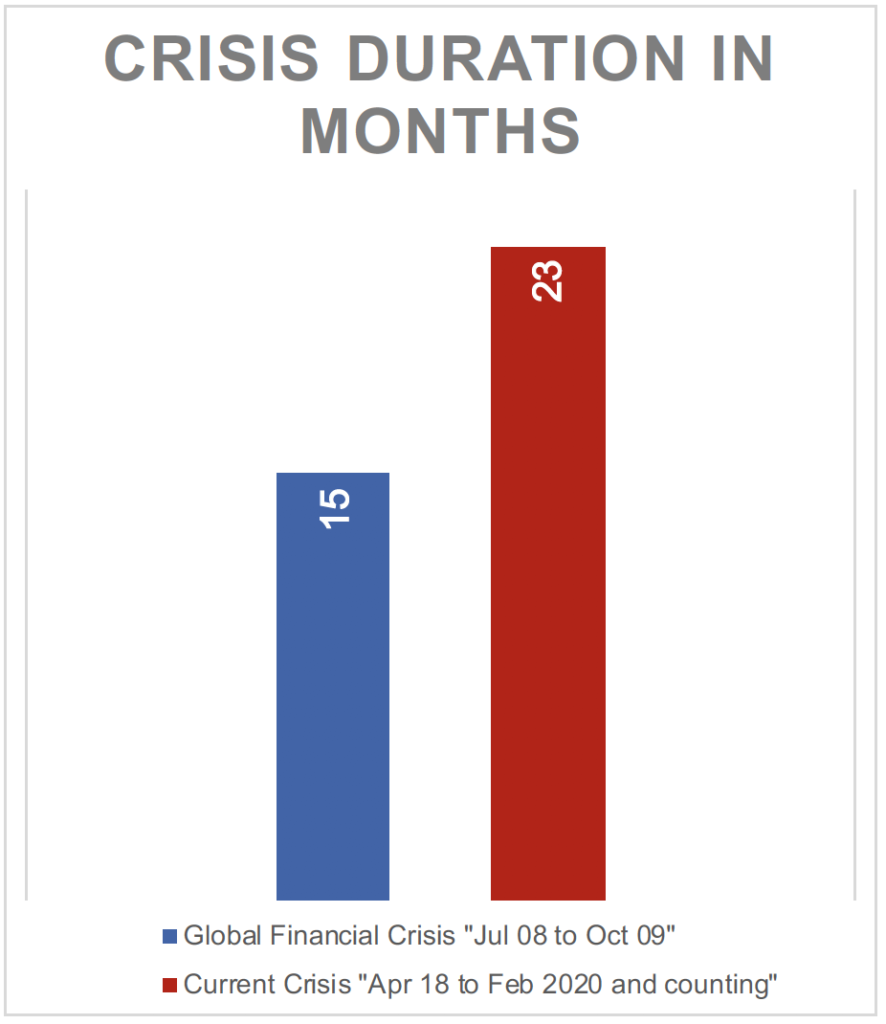
“The industry is in the midst of a prolonged downturn. Sales of new cars have contracted for 23 straight months representing a sustained recession and a situation significantly worse than the GFC which saw 15 months of decline,” said Federal Chamber of Automotive Industries CEO Tony Weber.

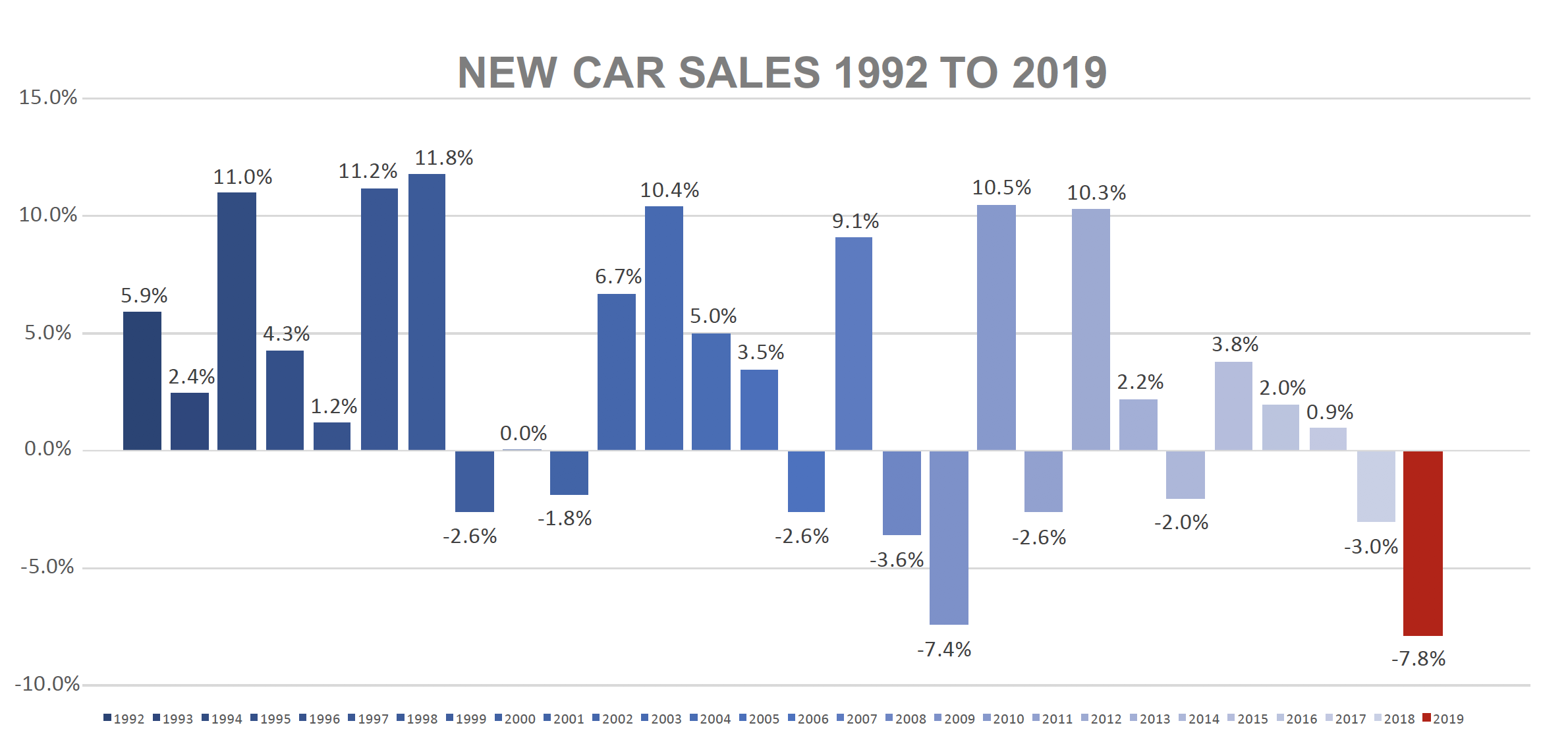
“The 2019 calendar year saw new car sales down 7.8 percent, the largest annual reduction in sales since recordkeeping started nearly 30 years ago,” said Mr Weber.

The decline in the industry has already forced many of the nation’s 3,200 new car dealerships to lay off staff and some dealerships, particularly in regional Australia, have been forced to close their doors.

“Make no mistake, this is an industry in urgent need of assistance. Many dealerships are at breaking point and if the situation persists, there will be severe consequences for these businesses and the people they employ,” said Australian Automotive Dealer Association CEO James Voortman.

“We are calling on both the Federal and State Governments to stimulate this industry which has been going backwards and now faces further tough times amid this market uncertainty,” said
Mr Voortman.

There are fears that the existing downturn affected by a tight credit market and low consumer confidence will be compounded by the fallout from COVID-19. New car Dealers are located in almost every city and country town across Australia where they employ people, take on apprentices and make a significant contribution to the local economy. Nationally, they are strong contributors to the nation’s tax base.

“The Australian motor vehicle industry represents a substantial segment of the Australian economy and as such it is vital that we ensure its continued health during a time of vulnerability and weakened consumer confidence,” said National Automotive Leasing and Salary Packaging Association Chairman Rob Bazzani.

The Government should move fast to stimulate the sale of new cars which aside from the demonstrable economic benefits, bring societal benefits as they are safer, cleaner and more efficient than the older cars they replace.

Options for stimulus include:

  1. Rebates for the purchase of new cars
  2. Tax relief for new car buyers (GST, import tariffs, Luxury Car Tax)
  3. Investment incentives for businesses buying new cars

Download Media Release

Dealers Support Senate Inquiry Into Holden Withdrawal

The peak body representing Australia’s franchised new car Dealers has welcomed today’s announcement of a Senate Inquiry into the decision by General Motors (GM) to withdraw the Holden brand and operations from Australia.

“As an industry we were shocked by GM’s decision and the way it was communicated. However, we have been even more shocked by reports from our members on the grossly inadequate compensation on offer,” said AADA CEO James Voortman.

“The withdrawal of GM from the Australian market leaves around two hundred dealerships in the lurch, and up to nine thousand workers out of a job,” Mr Voortman said.

“Holden Dealers invested significant capital in facilities, stock and equipment. Many signed up to long term leases. They employed people in their businesses and took on apprentices. All of these decisions were made in good faith based on commitments from Holden that they were in Australia for the long-haul,” Mr Voortman said.

“This inquiry is crucial as the way in which Holden is allowed to exit Australia will set the benchmark for other offshore car Manufacturers considering an exit from the country, a rationalisation of their network or a change in their distribution model,” Mr Voortman said.

“The decision of the Senate to review the impacts of GM’s decision is very welcome, particularly as it will also look at the broader context of the Franchising Code and its role in this mess,” he said.

“We look forward to working with the Senate on this inquiry and to keep the Prime Minister, whom we met with yesterday, abreast of developments,” Mr Voortman said.

“The AADA is working closely with our Holden members, as well as the Government and Senate to ensure that the hard-working Australian businesses and their employees are properly looked after,” Mr Voortman said.

Download Media Release

Holden Closure: Decision Made In Detroit Will Hurt Local Business

Local car Dealers and their employees will bear the brunt of General Motors’ decision to kill off the Holden brand in Australia, highlighting the need for strong Automotive franchising laws.

“There has been a lot of talk about the 600 jobs that will be lost at Holden’s head office. These amount to very little compared to the people employed in Holden dealerships both in regional and metro Australia, a figure which could be as high as 6,000,” said AADA CEO James Voortman.

“As I have spoken to Holden Dealers in the past 24 hours, I am struck by how poorly this was all done. It is clear that the local management of Holden were blindsided by a decision made in Detroit,” he said.

The AADA welcomes the announcement by Holden that they will put in place “appropriate transition arrangements” for Dealers but we need to see the detail of these arrangements. Australia’s impotent and ineffective franchising laws leave Dealers exposed when it comes to end of a term arrangements, especially in this case which is a complete withdrawal from the Australian market, directly affecting around 200 Dealers.

“Dealers typically own millions of dollars’ worth of vehicle inventory, special tools and equipment, parts and bespoke facilities built to the exacting specification of the manufacturers. On top of that, Dealers have often invested in long term leases, extending to a decade or more for these facilities. We know of Dealers who are in the process of spending significant capital in upgrading or building showrooms, an investment demanded of them by Holden. There are also Holden dealerships that have changed hands through a sale process recently,” said Mr Voortman.

We expect that these investments and commitments will be taken into consideration by Holden when they decide on compensation packages for Dealers.

Dealers enter into franchise agreements with Manufacturers and make these investments in good faith. It is essential that this is recognised and compensated for at the end of the term.

“It is hard to believe that a global Fortune 500 company such as General Motors did not anticipate this decision and questions need to be asked as to why Dealers were allowed to invest significant sums of capital in recent times to grow a brand that was going to be withdrawn,” he said.

“I think it would have been appropriate for the Global Head of General Motors to travel from Detroit to Australia and make the announcement in person that they have decided to kill off one of Australia’s most iconic brands,” he said.

“This just highlights the massive power imbalance between multinational vehicle Manufacturers and local car Dealers. Simply put Australia needs strong automotive specific franchising laws similar to those in the United States,” said Mr Voortman.

The AADA which represents all Holden Dealers will be writing to the Prime Minister to request a meeting with a delegation of Holden Dealers to discuss the effects of this decision on Dealers, their employees and customers.

Download Media Release