
Key Headlines
- Australia’s used electric vehicle market experienced a sharp and sudden surge in activity during March 2026, coinciding directly with the escalation of the Middle East conflict and the resulting spike in domestic fuel prices.
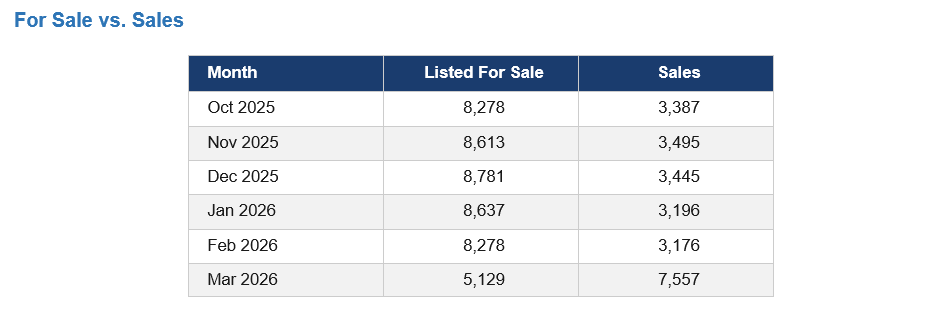
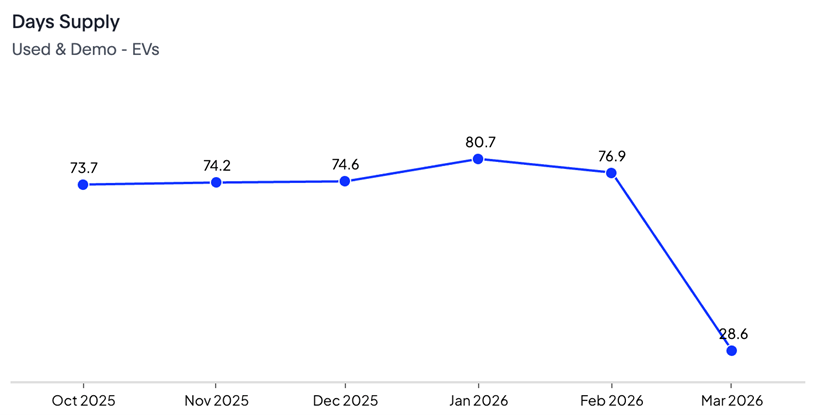
- Used EV sales more than doubled between February and March 2026, rising from 3,176 to 7,557 units nationally. At the same time, available stock dropped by 38%, leaving the market with just 28.6 days of supply at the current rate of sales.
- Chinese origin and value positioned EVs dominate consumer demand.
- Used EVs prices have increased since January but the recovery is uneven.
Market Snapshot – What the Numbers Say
Australia’s used electric vehicle (EV) market experienced a sharp surge in March, with activity accelerating rapidly as fuel prices climbed following escalating tensions in the Middle East.
Used EV sales more than doubled month-on-month, jumping from 3,176 units in February to 7,557 in March, in one of the most significant shifts seen in the segment to date.
At the same time, supply tightened dramatically. Available stock fell by 38%, leaving the market with just 28.6 days of supply – well below the 60–90-day range typically considered balanced – and signaling a clear shift toward a seller’s market.
The surge has been led by value-oriented and Chinese-origin EV models, alongside strong dealer representation across the top-selling vehicles, reinforcing the role of competitively priced offerings in driving adoption.
While prices had softened through late 2025, residual values have begun to stabilise and recover since January, suggesting the recent lift in demand is starting to flow through to pricing—although conditions remain uneven across different model years.
The sustainability of this surge will depend on how long fuel prices remain elevated, but the March data points to a clear shift in buyer behaviour toward lower running-cost vehicles.
General Market Statistics
The broader used vehicle market also showed solid figures in March, with 327,762 vehicles listed for sale, marking a 1.9% increase month-on-month.
A total of 222,810 vehicles were sold, representing a 4.2% rise compared to February, signalling continued resilience in consumer demand.
Dealer activity remained a key component of the market, accounting for 45.22% of all sales, reinforcing the important role dealers play in connecting buyers with vehicles. Market efficiency improved slightly over the month, with the average days to sell falling to 45.6 days, down from 46.6 in February, indicating a modest acceleration in transaction times.
“Rising fuel prices are clearly influencing consumer behaviour, with more Australians turning to used EVs as a practical and cost-effective alternative,” said AADA CEO James Voortman.
“At the same time, the broader used vehicle market remains resilient, with steady sales growth and improving turnaround times indicating healthy underlying demand.”
“Dealers have consistently demonstrated their ability to adapt to changing market conditions, and the growing presence of EVs being offered by dealers in the used market is another example of that evolution in action,” said Mr Voortman.
“The Australian automotive market can change almost overnight. As we’ve seen recently, macro events whether an interest rate decision, a tariff announcement, an oil crisis, or a shift in consumer confidence – can ripple through the used car and demonstrator market within weeks, reshaping which segments are moving, which are stalling, and where the value sits, “said AutoGrab Chief Commercial Officer Saxon Odgers.
“What we saw in March wasn’t a gradual shift. Used EV sales more than doubled in the space of a month while available stock fell by 38%, compressing days of supply to under 29 days. For dealers who are well-positioned with the right stock, the opportunity is significant.”
“Residual values on used EVs have been stabilising since January, and the March demand surge is now adding upward pressure. Whether this marks a lasting inflection point will depend on how long fuel prices stay elevated, but the data is clear: cost of ownership is now front of mind for buyers, and that’s reshaping how they think about their next vehicle.”